Essential Tips of Climbing Mount Kilimanjaro
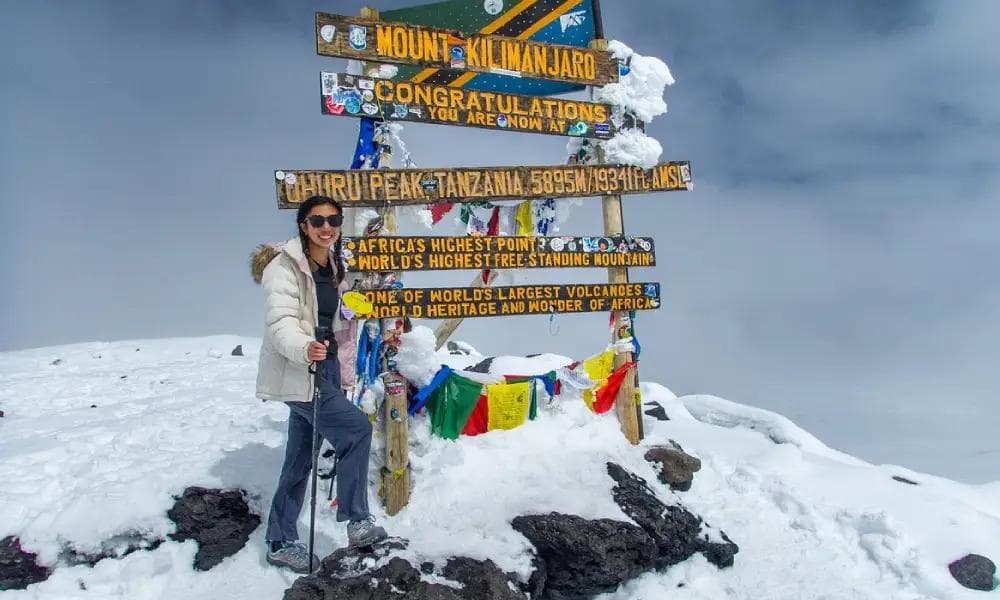
Climber at the Uhuru Peak summit sign

Kilimanjaro, standing tall at 5,895 meters (19,340 feet) above sea level, is the highest free-standing mountain in the world and the "Roof of Africa." As one of the continent's most sought-after travel destinations, Mount Kilimanjaro attracts over 40,000 visitors annually. This stunning trek requires no technical climbing skills, making it accessible to anyone with a healthy average fitness level. This guide is designed to help climbers prepare for their once-in-a-lifetime adventure. Our recommendations are based on our extensive experience — at Asili Climbing Kilimanjaro, we have successfully organized treks for thousands of climbers.

Facts to Know Before Your Kilimanjaro Hike

Mount Kilimanjaro's summit, Uhuru Peak, stands at 19,340 ft / 5,895 m — the highest point in Africa and the tallest free-standing mountain in the world.

Preparing and Training for Kilimanjaro

How Should I Train for a Mount Kilimanjaro Climb?

Maintaining a good level of fitness is essential for climbing Kilimanjaro. However, you don't need to be an athlete to reach the summit. A healthy average fitness level is sufficient. To gauge your readiness, see if you can comfortably hike 8-10 km (5-6.2 mi). If you can, you're fit enough to climb Mount Kilimanjaro. Running is an excellent exercise for preparing to hike Kilimanjaro — aim to jog 4-5 km (2.5-3.1 miles) confidently. Swimming is another great addition to your training regimen, as it strengthens cardiovascular endurance.

When Are the Rainy and Dry Seasons in Tanzania?

Tanzania experiences two rainy seasons and two dry seasons. The short rainy season starts in early November and continues until late December, followed by a dry season that lasts until mid-March. The long rainy season begins in mid-March and ends in mid-June. For climbing Kilimanjaro during the rainy season, consider the northern slopes — this area receives significantly less rainfall. Recommended routes include Rongai, Northern Circuit, and Marangu. From June to October, East Africa experiences cold nights, especially at high altitude.

Other Trekking Info

Kilimanjaro Packing List

A complimentary Kilimanjaro packing guide featuring essential gear and expert recommendations from Asili Climbing Kilimanjaro.

Planning to Climb Kilimanjaro?

We're here to provide clear answers and expert guidance — reach out with any questions and take the first step with confidence.

Questions About Kilimanjaro Safety

Asili Climbing Kilimanjaro recommends Global Rescue for reliable travel insurance coverage. Ensure your policy includes three key components: coverage for high-altitude hiking up to 6,000 meters, helicopter evacuation, and comprehensive medical services.
In order to acclimate and summit successfully, we recommend: hike slowly (your body needs time to adjust to lower oxygen levels, and a moderate pace helps it produce more red blood cells); drink 3-4 liters of water a day; join our daily acclimatization hikes to higher ground and back (usually no more than 2 hours); and, if you have time, consider climbing Mount Meru before your Kilimanjaro trip. Choosing routes that are seven days or longer also gives your body more time to adjust, improving your chances of reaching the summit.
To acclimatize better on Kilimanjaro, the best routes are Lemosho, Machame, and Rongai — or other itineraries of seven days or more.
On the seven-day Machame route, you won't need any extra acclimatization days. Rongai and Lemosho are equally good options. However, if you think you're not very physically fit, you may add one or two days for extra rest.
At the summit of Kilimanjaro, the level of oxygen in the air is roughly half of what it is at sea level. Most climbers can reach Uhuru Peak without using extra oxygen, but to be on the safe side, we always carry plenty of oxygen tanks on our expeditions, and the cost is included in the tour price.
During Kilimanjaro expeditions, our teams carry comprehensive medical kits — smaller tactical kits on the hikes for injuries, scratches, or twisted limbs, and larger camp kits with medicines for common issues like nausea, headaches, vomiting, and stomach problems. If you take any prescription medication, it's best to bring it with you on your Tanzania trip.
Relative to other mountains, Kilimanjaro has a low death rate across its seven routes. Out of the approximately 50,000 individuals who hike Mount Kilimanjaro each year, 3-5 lose their lives, mainly from altitude-related brain and lung issues or heart attacks from ignoring acclimatization. The mortality rate for Kilimanjaro porters is notably higher, largely due to super-budget operators providing inadequate gear. Always choose a KPAP-registered company to help ensure fair treatment of porters.
The highest peak of Kilimanjaro was named Uhuru Peak to celebrate Tanzania's independence from Britain in 1961. "Uhuru" means "freedom" in Swahili.
Yes — Tanzania has famous destinations for any kind of African adventure, most popularly Serengeti National Park and Ngorongoro Crater. It's a great idea to plan a safari before or after the climb.

Still searching for that perfect trip?

Get weekly inspiration delivered right to your inbox!